
Phalaenopsis Red eye with Spike
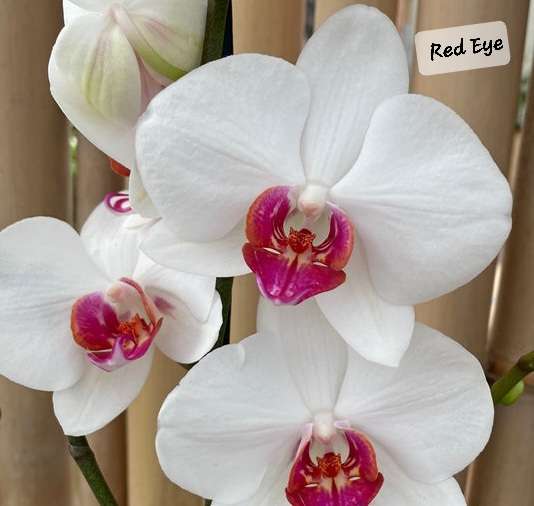
Phalaenopsis Red eye with Spike
$ 4.62
Discount per Quantity
Description Phalaenopsis orchids, also known as “moth orchids,” with red-eye features are stunning plants that require specific care to thrive. Here are the detailed care instructions: 1. Light Requirement: Phalaenopsis orchids need bright, indirect light. Avoid direct sunlight, which can scorch their leaves. Ideal Placement: Near an east or west-facing window with filtered light. If using a south-facing window, use sheer curtains to diffuse the light. 2. Temperature Daytime: Maintain temperatures between 70–85°F (21–29°C). Nighttime: They prefer slightly cooler temperatures, around 60–70°F (16–21°C). Avoid extremes: Protect the orchid from drafts or sudden temperature fluctuations. 3. Watering Frequency: Water approximately once a week, allowing the medium to dry out slightly between waterings. Method: Use tepid, non-chlorinated water. Water thoroughly, letting excess water drain out completely. Avoid Overwatering: Overwatering can lead to root rot. Never let the orchid sit in standing water. 4. Humidity Ideal Level: Maintain a humidity level of 50–70%. Increase Humidity: Place a humidity tray (a shallow tray with water and pebbles) under the pot. Use a humidifier or mist the plant lightly in the morning. 5. Potting Medium Preferred Medium: Use a well-draining orchid mix, such as bark, sphagnum moss, or a combination of the two. Repotting: Repot every 1–2 years, preferably after flowering, to refresh the medium and check the roots. 6. Fertilizer Type: Use a balanced orchid fertilizer (e.g., 20-20-20). Frequency: Fertilize once every 2 weeks during active growth (spring and summer) and reduce to once a month in fall and winter. Dilution: Always dilute the fertilizer to half the recommended strength to avoid burning the roots. 7. Pruning and Maintenance After Blooming: Once the flowers fade, you can: Trim the flower spike (stem) to its base if it turns brown. Leave a green spike if it is healthy; it might produce secondary blooms. Dusting: Gently clean the leaves with a damp cloth to keep them dust-free and allow for proper photosynthesis. 8. Pests and Diseases Common Issues: Watch for mealybugs, scale, aphids, or spider mites. Treat with insecticidal soap or neem oil if necessary. Diseases: Prevent fungal and bacterial infections by ensuring proper airflow and avoiding water sitting on the leaves. 9. Bloom Encouragement Rest Period: After flowering, provide a slight temperature drop (e.g., 55–65°F at night) for a few weeks to encourage re-blooming. Patience: Red-eye Phalaenopsis orchids may take several months to bloom again. 10. Special Considerations “Red Eye” Appearance: This characteristic is usually genetic and doesn’t require special treatment beyond the general Phalaenopsis care. Avoid Overhandling: The flowers and leaves can be delicate, so handle them gently during care routines.
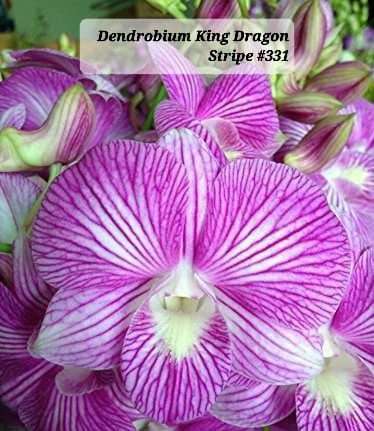 King Dragon Stripe #331
 (Cobra x Lasianthera) #63
 (Burana Jade x Thongchai Gold) T-153